Readiness comes before recipes
NHS guidance recommends starting solid foods at around six months, alongside breast milk or first infant formula. Read the signs of readiness and discuss individual circumstances with your health visitor. A birthday alone does not tell you everything about a baby’s feeding skills.
Prepare for safe eating
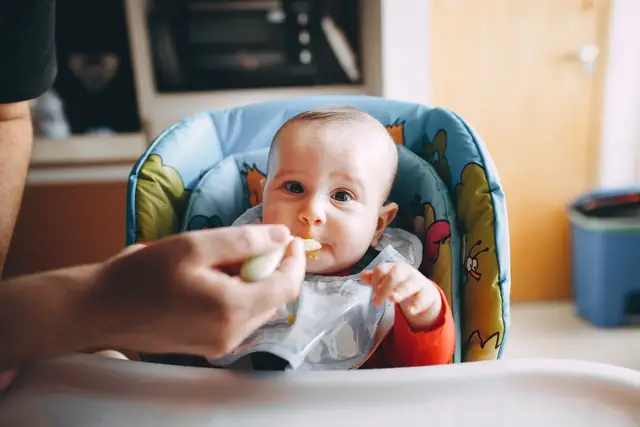
Make sure your baby is sitting upright and is supervised throughout. Learn about safe food textures, shapes and the difference between gagging and choking from a reliable source. Consider learning infant first aid.
Keep first meals simple
Offer suitable foods in manageable amounts and allow time to explore. There is no need to buy a complete range of special baby products. Follow current guidance on allergens, foods to avoid and drinks, particularly where there is an allergy history.
Let it be a learning process
Some days your baby will eat little. Continue milk feeds and offer variety without pressure. Contact your health visitor if you are concerned about swallowing, growth, reactions or feeding development. Practical support is more useful than comparing portions online.
Look for readiness together
At around six months, the NHS describes three signs that should appear together. Your baby can:
- Stay in a sitting position and hold their head steady.
- Coordinate eyes, hands and mouth to pick up food and bring it to their mouth.
- Swallow food rather than pushing it back out.
Chewing fists, waking more often or wanting extra milk are not reliable signs on their own. Continue breast milk or first infant formula while introducing food. For a premature baby, ask your health visitor or GP about timing. Stay with your baby throughout eating, use an upright seated position and follow current advice on safe textures and food preparation.
Sources & further reading
Read the original guidance for more detail. See our editorial policy for how we select sources and update these guides.
NHS: Your baby’s first solid foods